French Hotel Excellence: The Complete Guide to Elegant Stays, Smart Locations, Room Design & Seamless Travel
French Hotel Excellence: The Complete Guide to Elegant Stays, Smart Locations, Room Design & Seamless Travel
1. Understanding What Makes a French Hotel Experience Different
France has an unusually diverse hospitality landscape. A hotel in central Paris can feel completely different from a coastal property in Nice, a contemporary accommodation in Lyon or a countryside retreat surrounded by fields and historic villages. This variety is one of the great advantages of traveling through France, but it also makes hotel selection more complex.
A professional hotel search should therefore begin with the intended experience rather than a room price. Travelers should ask whether they want architecture, convenience, privacy, scenery, culinary access, relaxation, business functionality or a combination of several priorities. Once those priorities are defined, the search becomes much more focused.
A broad destination search through Hotels & Resorts in France can provide a useful starting point for travelers who are still deciding which cities or regions should form part of their itinerary.
The strongest accommodation decisions usually happen when the hotel is treated as part of the journey rather than as a separate transaction. The right property can save time, improve sleep, simplify transportation and create a stronger connection with the destination.
2. The First Decision: Choose the Type of French Journey
Before comparing room categories, determine what kind of trip you are creating. A short romantic weekend requires a different hotel strategy from a ten-day family holiday. A business traveler may prioritize a desk, strong internet and transport access, while a leisure traveler may care more about views, architecture and neighborhood atmosphere.
Travelers visiting France for the first time often try to include too many destinations. This can result in frequent hotel changes and excessive transportation. A more comfortable itinerary usually gives each destination enough time to develop a rhythm.
For a city-focused journey, hotels should ideally reduce daily transportation. For a road trip, accommodation can be chosen around parking and route access. For a relaxing holiday, the property itself may become one of the primary attractions.
3. Paris: Creating an Elegant Urban Stay
Paris remains one of the most distinctive hotel destinations in France because accommodation is closely connected with architecture, neighborhood identity and the cultural character of the city. Choosing a Hotel in Paris is therefore less about selecting a generic room and more about deciding what kind of Paris experience you want.
A central hotel can make museums, monuments, restaurants and shopping areas easier to reach. A quieter residential location may provide a more relaxed atmosphere. Travelers should consider the balance between walking distance, transportation connections, nighttime surroundings and the amount of time they expect to spend inside the hotel.
Parisian hotels can also differ dramatically in interior style. Some emphasize traditional architectural details, while others use contemporary furniture, minimalist palettes and modern technology. Neither approach is automatically appropriate for every traveler.

4. How to Evaluate a Paris Hotel Beyond the Address
Location is essential in Paris, but it should not be the only consideration. Two hotels within the same broad district may offer very different levels of comfort because of differences in room dimensions, sound insulation, bathroom configuration, elevator access and building layout.
Travelers should examine whether the room is located on a busy street, above a commercial area or near nightlife. If quiet sleep is important, a courtyard-facing room may sometimes be more suitable than a street-facing option.
Room photographs should also be interpreted carefully. A wide-angle photograph can make a compact room appear larger, while carefully positioned furniture can conceal storage limitations. Look for multiple photographs and compare the bed, desk, seating area and bathroom from different angles.
For travelers who want to maximize sightseeing time, a hotel with efficient access to transportation may be more valuable than a property with extensive facilities that are rarely used.
5. Parisian Interior Design as Part of the Experience
French hotel design often creates a dialogue between history and contemporary comfort. Decorative moldings, wood flooring, elegant fabrics and traditional lighting can coexist with modern bathrooms, high-speed internet and discreet technology.
The most successful rooms generally feel layered rather than overloaded. Decorative details should contribute to the atmosphere while leaving enough visual space for relaxation. Furniture should be attractive but also functional, with enough clearance for luggage and movement.
Travelers should pay attention to lighting because it can completely transform a room. Bedside lamps, reading lights and softer ambient illumination can create a much more comfortable evening environment than a single overhead fixture.
The same principle applies to curtains. Large windows are attractive during the day, but effective blackout and privacy curtains become important when guests want uninterrupted sleep.
6. Choosing Between Central Convenience and Quiet Comfort
There is no universal answer to the question of whether a hotel should be in the center of a city. The correct choice depends on the length and purpose of the stay.
A two-night visit may benefit significantly from a central address because every saved transfer creates more time for sightseeing. A week-long stay may justify a slightly quieter neighborhood if the room is larger and the surrounding area provides restaurants, shops and transport connections.
Travelers should also consider their evening routine. If they expect to return to the hotel late after dinner, theater or sightseeing, an easy route back can become more important than a few extra square meters of room space.
The goal is not maximum centrality. The goal is maximum convenience for the actual itinerary.
7. Airport Planning and the First Hotel Night
International arrivals can be tiring, especially when flights land late in the evening. Hotel selection should therefore consider how complicated the journey from the airport will be.
Travelers comparing Flights to Paris Charles de Gaulle Airport (CDG) should think about arrival time, airport transfers and the location of the first hotel night as one connected decision.
A late arrival may make a hotel with straightforward access and flexible reception particularly useful. An early arrival may make luggage storage more important. Travelers with children or heavy luggage should also reduce the number of transfers whenever possible.
The first day of a trip should not be designed as if travelers will have unlimited energy after a long international journey. A comfortable first hotel can provide a smoother transition into the rest of the itinerary.
8. Transportation Strategy for Paris
Driving in central Paris is not always necessary for travelers whose itinerary remains within the city. Walking and public transportation can provide an efficient way to move between major areas while avoiding parking concerns.
However, travelers who plan to leave Paris for countryside destinations may want to consider Car rentals in Paris as part of a broader route.
The important question is when the vehicle will actually be needed. Renting a car for several days while remaining inside the city can create unnecessary costs and logistical responsibilities. Renting only when the itinerary changes from urban exploration to regional travel can sometimes create a more efficient structure.
9. Nice: Designing a Mediterranean Hotel Experience
Nice introduces a completely different visual language. Sunlight, balconies, terraces, sea views and Mediterranean colors can become important parts of the accommodation experience.
When selecting a Hotel in Nice, travelers should first decide whether they prefer proximity to the waterfront, historic streets, transport connections or a quieter residential environment.
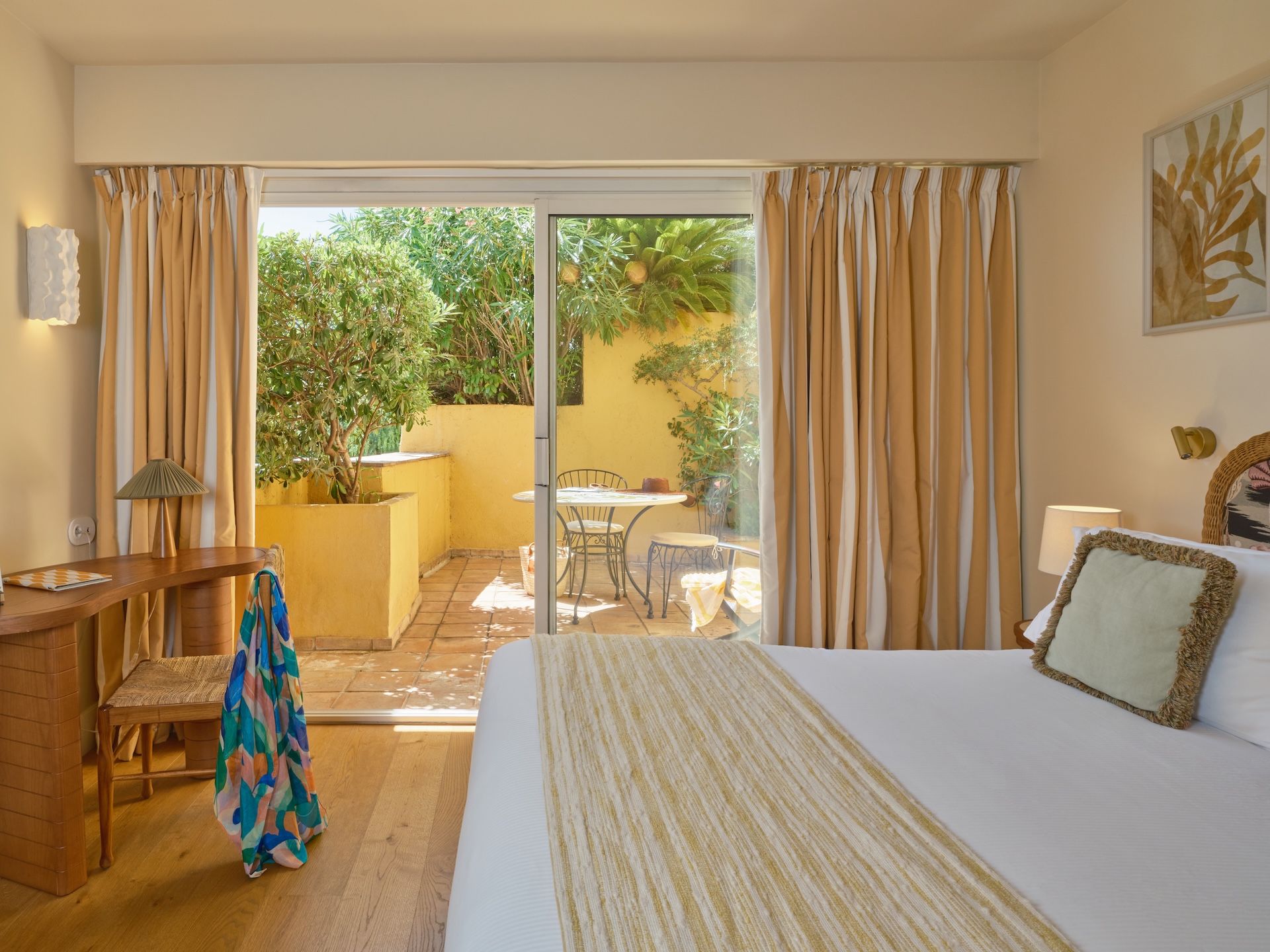
Outdoor space can be particularly valuable in Nice. A balcony or terrace creates a private place to enjoy the morning, relax after sightseeing or simply observe the changing light.
Room orientation also matters. A sea-facing room can create an immediate connection with the Mediterranean, while a garden-facing room may provide more privacy and a calmer atmosphere.
10. Understanding the Value of a View in Nice
Views are among the most heavily marketed features of Riviera hotels, but travelers should examine exactly what the description means. A direct sea view, side sea view and distant glimpse are very different experiences.
If the view is an important reason for booking, confirm whether it is guaranteed for the selected room category. Photographs should also be studied carefully to determine whether the image represents a specific suite or a general property view.
Travelers should consider how often they will actually use the room. If the itinerary is filled with day trips and excursions, a premium view may be less important than a comfortable bed, a larger bathroom or a more convenient location.
For travelers who enjoy slower mornings and evenings at the property, however, a strong view can become a meaningful part of the trip.
11. Nice as a Base for the French Riviera
Nice is particularly useful as a base for travelers who want to explore several destinations along the French Riviera. The city can provide the energy of an urban destination while still offering access to coastal landscapes and nearby towns.
Transportation planning becomes important because some itineraries are easier by rail or public transportation, while others may benefit from flexible driving.
For regional exploration, travelers can consider Car rentals in Nice when their route includes multiple destinations outside the central city.
A rental vehicle is most useful when it supports a clear itinerary. Travelers should identify the exact days on which driving is needed rather than automatically keeping a car throughout the entire vacation.
12. Lyon: A Different Kind of French Hotel Destination
Lyon offers a more compact urban atmosphere with a strong connection to food, architecture, rivers and historic neighborhoods. Hotel selection can therefore focus on how easily travelers can combine walking, dining and cultural exploration.
When comparing Hotels in Lyon, travelers should look at the relationship between the hotel and the areas they intend to explore.
A centrally located property may allow guests to return to the room during the day, change clothes and continue exploring without spending excessive time in transit.
Business travelers may instead prioritize access to stations, meeting areas and reliable workspace. Families may prefer larger rooms and easier transportation.
13. Modern Lyon Rooms and Practical Comfort
Contemporary Lyon hotels often demonstrate how design can be both expressive and practical. A strong room layout should make it easy to move around the bed, organize luggage and use the desk without creating visual clutter.
For business travelers, electrical outlets near the desk and bedside area are particularly useful. For leisure travelers, comfortable seating can create a separate zone for reading or planning the next day.
Families should examine whether the room configuration provides enough usable floor area after additional beds are installed.
These details may not be obvious from a single photograph, which is why travelers should compare room descriptions, dimensions and several images before booking.
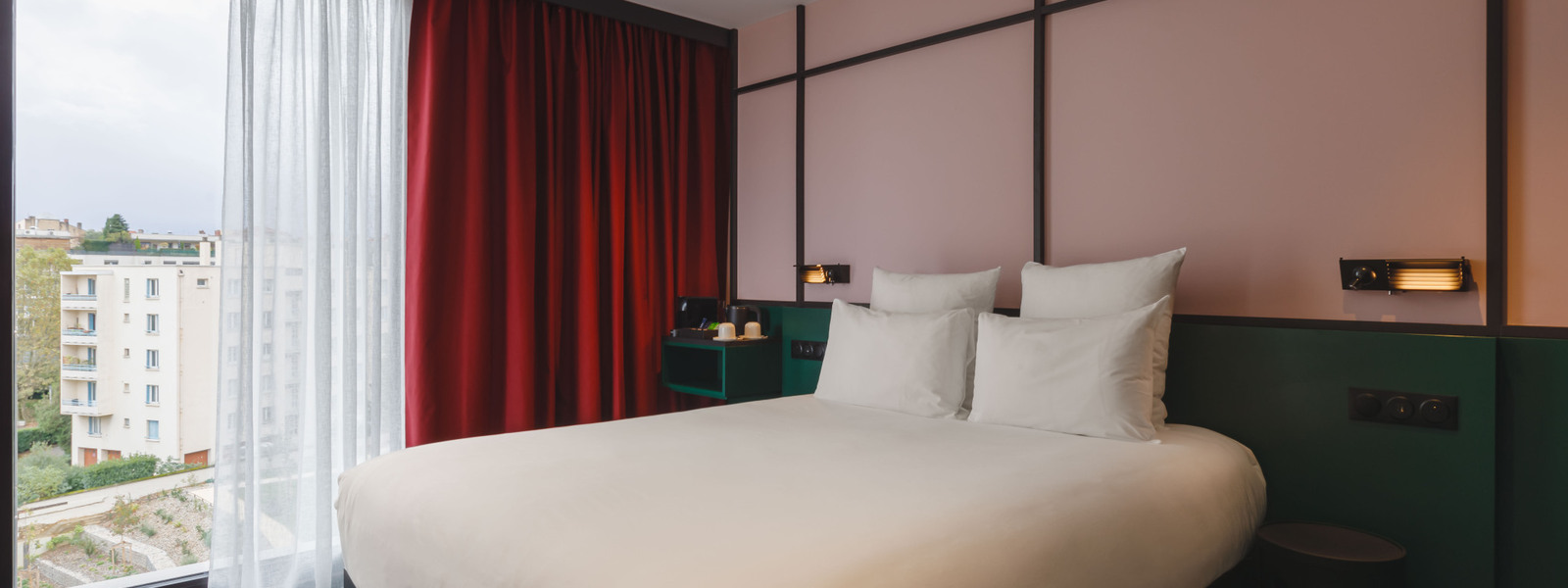
14. Lyon and the Importance of Neighborhood Selection
Lyon's neighborhoods can create very different daily experiences. Historic areas can provide atmospheric streets and architectural interest, while newer districts may offer modern buildings, broad public spaces and contemporary accommodation.
Travelers who plan to spend their evenings exploring restaurants may benefit from staying near a strong dining area. Visitors arriving by train may prioritize convenient station access.
Neighborhood selection should also consider the final return journey. A hotel that is convenient for daytime attractions but difficult to reach after dinner may become less practical than expected.
The best location is the one that reduces friction across the majority of the itinerary rather than simply being close to one landmark.
15. Marseille: Coastal Energy and Urban Character
Marseille offers a particularly distinctive combination of Mediterranean scenery, historic neighborhoods and contemporary waterfront development. Hotel selection should begin by deciding which aspect of the city will dominate the trip.
Travelers comparing Hotels in Marseille should consider proximity to the waterfront, central districts, transportation and the specific experiences they intend to prioritize.
A hotel near the coast can create a strong visual relationship with the Mediterranean. A centrally positioned property may provide easier access to historic streets, restaurants and transport.
Neither approach is inherently better. The right choice depends on whether the hotel is being used primarily as a base for exploration or as part of the relaxation experience.
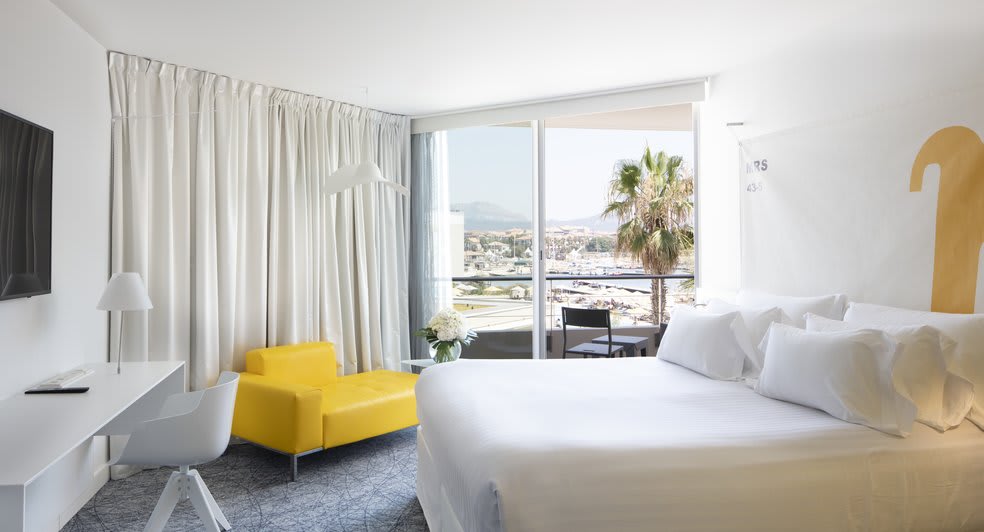
16. The Relationship Between Room Design and Destination
A memorable hotel does not necessarily need an extravagant interior. Often, the strongest design is the one that feels connected to its destination.
Paris can use classic architectural references. Nice can emphasize Mediterranean light and outdoor space. Lyon can combine contemporary materials with historic influences. Marseille can incorporate coastal colors and expansive views.
This relationship gives the room a sense of identity. Instead of feeling like an interchangeable international hotel room, the accommodation becomes part of the story of the destination.
Travelers should consider whether this sense of place matters to them. Some prefer a neutral, quiet room, while others want the hotel to reinforce the character of the city outside the window.
17. What Really Defines Hotel Comfort
Comfort is often confused with luxury, but the two concepts are not identical. A room can contain expensive materials and still be uncomfortable if the mattress is poor, the lighting is harsh or the layout is impractical.
Real comfort usually comes from a combination of sleeping quality, room temperature, noise control, lighting, bathroom functionality and enough space to organize belongings.
Travelers should therefore create a personal comfort hierarchy before booking. If sleep is the highest priority, investigate bedding and noise. If work is essential, prioritize the desk and connectivity. If relaxation is central, consider seating and outdoor space.
| Feature | Why It Matters | Especially Useful For |
|---|---|---|
| Quiet room | Supports uninterrupted sleep and relaxation. | Light sleepers and families |
| Quality bedding | Improves recovery after long travel days. | All travelers |
| Workspace | Allows business tasks without using the bed as a desk. | Business travelers |
| Storage | Keeps luggage organized and the room uncluttered. | Long stays and families |
| Outdoor space | Creates an additional area for relaxation. | Nice and coastal destinations |
| Transport access | Reduces time spent commuting. | City-break travelers |
18. The Importance of Sleeping Conditions
Hotel photographs rarely communicate noise levels, but sleep quality can determine how travelers feel throughout the entire day.
Street-facing rooms in active urban areas may be visually appealing but can experience more traffic and nighttime activity. Courtyard-facing rooms may offer greater quietness, although this depends on the building and surroundings.
Travelers should look for information about sound insulation and room orientation when possible. Heavy curtains can also improve sleep by controlling early morning light.
The bed itself should be considered alongside pillows, mattress firmness and available sleeping configurations. Couples should confirm whether the bed is a genuine double or two separate mattresses joined together.
19. Bathroom Design as a Measure of Hotel Quality
The bathroom deserves as much attention as the bedroom. A beautiful room can become inconvenient when the bathroom has poor lighting, limited storage or an awkward shower layout.
Travelers should examine whether the shower provides enough space, whether there is adequate counter area and whether towels are positioned conveniently.
Families may need more than one bathroom or a layout that allows one person to use the sink while another uses the shower. Business travelers may appreciate strong lighting around the mirror.
Long-stay guests should also consider storage for toiletries and personal items. These details may appear minor, but their importance increases with every additional night.
20. The Value of Natural Light
Natural light can change the perceived size and atmosphere of a hotel room. Large windows can make compact spaces feel more open, while thoughtful window placement can provide a strong visual connection with the surrounding city.
In Nice and Marseille, natural light can reinforce the Mediterranean character of the accommodation. In Paris and Lyon, large windows can frame architecture and city life.
However, travelers should consider the balance between daylight and privacy. A room with huge windows may require effective curtains, especially when nearby buildings are close.
The best rooms provide both daylight during the day and a comfortable, private atmosphere at night.
21. Choosing Hotels for Couples
Couples often benefit from accommodation where the room contributes to the overall mood of the trip. This can come from a balcony, attractive lighting, a comfortable seating area or an inspiring view.
In Paris, location can create opportunities for evening walks and spontaneous dining. In Nice, a terrace can provide a quiet morning setting. In Marseille, a coastal view can create a sense of escape.
Couples should also consider privacy. A stylish hotel with a busy social environment may be attractive for some travelers but less appropriate for those seeking quiet evenings.
The important point is to match the hotel atmosphere with the couple's preferred pace rather than choosing purely according to star classification.
22. Choosing Hotels for Families
Family travel introduces practical requirements that can easily be overlooked in glamorous hotel photography. Sleeping arrangements, room dimensions, storage and bathroom access become central considerations.
Parents should confirm the exact configuration of additional beds. A sofa bed may be useful, but it can reduce available floor space. Connecting rooms may offer greater privacy and flexibility.
Families should also think about hotel location. A central property can shorten journeys, while a quieter area may support better sleep.
Access to restaurants and supermarkets can become particularly valuable during longer stays. A neighborhood that works well for adults may not necessarily be the most practical choice for families with young children.
23. Choosing Hotels for Business Travel
Business travelers should focus on functionality. A comfortable desk, strong internet, accessible electrical outlets and good lighting can be more valuable than decorative extras.
The room should allow work to happen without turning the entire accommodation into an office. A separate seating area can create useful separation between work and rest.
Transport is equally important. A hotel near a train station or meeting location can reduce daily travel time and make the schedule more predictable.
Flexible reception and luggage storage can also matter when meetings begin early or flights depart late.
24. French Hotels and the Art of Space
Room size should not be evaluated solely by square meters. The layout determines how useful those square meters become.
A well-designed smaller room can feel comfortable when furniture is appropriately scaled and storage is integrated efficiently. A larger room can feel awkward if furniture blocks circulation or creates unused corners.
Travelers should look for clear pathways around the bed, enough space for luggage and seating that can actually be used comfortably.
Longer stays increase the importance of these details because temporary inconveniences become part of the daily routine.
25. Storage: The Forgotten Hotel Feature
Storage is one of the easiest features to overlook when booking a hotel. Yet unpacking can make a room feel significantly more comfortable, especially during longer trips.
Closet width, drawers, luggage benches and hanging space all influence how easily belongings can be organized.
Couples traveling with large luggage should check whether both guests have sufficient closet space. Families should consider where children's belongings will be stored.
Open shelving can be convenient for short stays, while enclosed wardrobes may be more useful for longer visits. The best solution depends on the travel style and duration.
26. Hotel Breakfast and Daily Rhythm
Breakfast is not simply a food service. It can shape the rhythm of the entire day.
Travelers with early excursions may value an early breakfast schedule. Business travelers may prefer speed and predictable service. Leisure travelers may enjoy taking more time and exploring a local café instead.
Before paying for hotel breakfast, compare the schedule, location and price with nearby alternatives. A hotel breakfast can be highly convenient, but the surrounding neighborhood may offer an equally practical local experience.
The best choice is the one that supports the actual itinerary rather than a generic assumption about what travelers should do.
27. Transportation and the Total Cost of a Hotel
The nightly room rate is only one part of the accommodation decision. A cheaper hotel can become more expensive overall if travelers need frequent taxis or spend large amounts of time commuting.
Conversely, a slightly more expensive central hotel may reduce transportation costs and provide more usable sightseeing time.
Travelers should therefore calculate the total daily travel cost rather than comparing room prices alone.
This is especially important for multi-city itineraries where hotel locations influence transfers between stations, airports and attractions.
28. When to Consider a Rental Car in France
Cars are particularly useful when the itinerary extends beyond major urban centers. Rural villages, scenic routes and remote properties can be easier to reach by car.
For broader road-trip planning, travelers can investigate Car rentals in France and compare the rental period with the exact number of days when driving is necessary.
A common strategy is to explore major cities without a car, then rent a vehicle for the countryside portion of the trip. This can reduce parking expenses while preserving flexibility where it matters most.
Vehicle size should also be considered. Smaller cars may be easier to manage in narrow streets, while larger vehicles can provide additional luggage space.
29. Planning a Paris-to-Countryside Transition
Travelers often find that the most effective French itineraries change rhythm gradually. Paris can provide an energetic beginning, followed by a slower countryside experience.
Rather than keeping a rental car throughout the urban portion, travelers can begin with city exploration and arrange transportation when leaving Paris.
This approach also creates a psychological transition. The trip moves from museums, architecture and busy streets toward landscapes, villages and slower mornings.
Accommodation should change accordingly. Urban rooms can prioritize location and efficiency, while countryside properties can emphasize space, views and tranquility.
30. The French Countryside as a Hotel Destination
Country accommodation offers a different interpretation of luxury. Instead of focusing primarily on proximity to attractions, the property itself becomes part of the experience.

Country hotels can provide gardens, terraces, traditional architecture and a stronger connection with the surrounding landscape. For travelers who want to slow down after several busy city days, this environment can become one of the highlights of the itinerary.
These properties are particularly suitable for travelers who view the hotel as a destination rather than simply a base.
31. Urban Hotels Versus Countryside Retreats
| Factor | Urban Hotel | Countryside Hotel |
|---|---|---|
| Primary purpose | Convenient base for exploration | Relaxation and destination experience |
| Transportation | Walking and public transit often useful | Car access can be important |
| Room design | Efficient and space-conscious | Often more spacious and architectural |
| Atmosphere | Active and connected | Quiet and slow-paced |
| Outdoor space | May be limited | Often central to the experience |
32. How to Build a Multi-City French Hotel Route
A multi-city trip should be designed around contrast rather than repetition. Paris, Lyon, Nice and Marseille can each contribute a different dimension to the journey.
Paris can provide cultural intensity and architectural depth. Lyon can introduce culinary and historic experiences. Nice can create a Mediterranean pause. Marseille can add coastal character and a more dramatic maritime atmosphere.
Hotel choices should reflect those differences. Selecting four identical hotel styles can make the journey feel repetitive, while choosing accommodation that responds to each destination can make the trip feel more dynamic.
The number of nights in each city should also reflect the traveler's interests. A destination that requires several activities should receive enough time to be experienced without rushing.
33. Managing Hotel Changes Efficiently
Changing hotels repeatedly can consume more time than travelers expect. Packing, checking out, transporting luggage, checking in and reorganizing belongings can turn into several hours.
For this reason, a professional itinerary avoids unnecessary hotel changes. If two destinations can be visited as day trips from one comfortable base, this may sometimes be more efficient.
However, a hotel change can be worthwhile when the new destination creates a completely different experience. Moving from Paris to Nice, for example, can transform the character of the trip.
The key is to make every hotel change serve a clear purpose.
34. How to Read Hotel Room Photographs
Hotel photography should be treated as a visual source of information rather than simply an advertisement.
Look at the distance between furniture. Observe whether the bed occupies most of the room. Check how many windows are visible and whether the room includes usable seating.
Bathroom photographs can reveal shower dimensions and storage. Balcony photographs can indicate whether outdoor space is private or shared.
Travelers should also confirm that the photographs represent the room category being booked. A property may display its most attractive suite prominently even when most guests stay in smaller categories.
35. Why Room Category Names Can Be Misleading
Terms such as Deluxe, Premium, Superior and Executive are not standardized descriptions of room size or quality across all hotels.
Travelers should therefore focus on measurable characteristics: floor area, bed configuration, view, balcony, bathroom type and included services.
A smaller room in an excellent location may be more useful for a short city stay than a larger room far from the itinerary.
Similarly, a room with a terrace may be more valuable to a traveler who spends mornings at the hotel than a larger interior room without outdoor access.
36. Designing a Hotel Budget That Makes Sense
A hotel budget should be based on the total travel experience. Consider the nightly rate, taxes, breakfast, parking, transportation and potential upgrades.
Travelers should separate essential spending from optional extras. A quieter room or better bed may provide daily value, while an elaborate decorative upgrade may have little practical effect.
For longer stays, investing in room functionality can be particularly valuable because the benefit is repeated every day.
The goal is not simply to spend less. It is to spend intelligently on the features that affect the actual trip.
37. The Role of Technology in Modern French Hotels
Modern hotel technology can improve convenience when it remains discreet. Reliable Wi-Fi, USB charging points, smart televisions and individual climate control can make a room significantly easier to use.
Technology should not replace basic comfort. A sophisticated television cannot compensate for poor bedding or a badly designed bathroom.
Travelers should prioritize technology according to their needs. Business guests may require strong internet and multiple charging points, while leisure travelers may care less about advanced entertainment systems.
The ideal room combines technology with simple physical comfort rather than allowing technology to dominate the experience.
38. Sustainability and the Modern Hotel Experience
Sustainable hotel design can coexist with comfort and elegance. Efficient lighting, responsible water management, refillable systems and thoughtful purchasing policies can reduce environmental impact without making a room feel less refined.
Travelers can also reduce the environmental cost of a trip by staying longer in fewer destinations and using rail transportation where practical.
Choosing accommodation that supports local businesses can strengthen the connection between the hotel and its surrounding community.
Sustainability is most effective when it becomes part of the hotel's everyday operation rather than a purely decorative marketing message.
39. Hotels for Short City Breaks
Short trips require precision. With only two or three nights, travelers cannot afford to spend large portions of the day commuting.
Location should therefore receive greater weight. A compact room in a highly convenient area can provide more practical value than a spacious property requiring long transfers.
Short-stay travelers should also prioritize easy check-in, luggage storage and reliable transportation.
The room itself should deliver excellent sleep because the traveler may be operating on a demanding schedule with early mornings and late evenings.
40. Hotels for Long French Vacations
Longer stays shift the balance toward room functionality. Storage, seating, workspace, laundry access and bathroom comfort become increasingly important.
Neighborhood quality also matters more because guests begin to interact with local services as part of their routine.
For a week-long stay, a room with a comfortable chair or small sofa can create a useful secondary zone. A balcony can also provide variety without leaving the property.
Travelers should think about the room as a temporary home rather than a place used only for sleeping.
41. Planning a French Riviera Hotel Strategy
The French Riviera rewards travelers who plan geography carefully. Nice can function as a central base, while other destinations can be added according to the length of the stay and transportation preferences.
A traveler who wants maximum flexibility may choose a hotel with easy road access and parking. Someone focusing on the city itself may prioritize a walkable central address.
The hotel should therefore match the Riviera itinerary rather than being selected independently from it.
Outdoor space, natural light and views may become more valuable on the coast than they would be in an urban business hotel.
42. Comparing Hotel Features by Traveler Type
| Traveler | Most Useful Features | Planning Priority |
|---|---|---|
| Couple | Atmosphere, privacy, view, balcony | Experience and location |
| Family | Space, sleeping configuration, storage | Practicality |
| Business traveler | Desk, Wi-Fi, transport, quietness | Efficiency |
| Solo traveler | Location, security, comfort, flexibility | Convenience |
| Long-stay traveler | Storage, seating, laundry, neighborhood | Livability |
| Road-tripper | Parking, access, luggage capacity | Route efficiency |
43. When a Hotel Upgrade Is Worth Considering
Not every upgrade produces meaningful value. Travelers should evaluate what changes between categories.
An upgrade may be worthwhile when it adds significantly more floor space, a separate living area, a guaranteed terrace or a materially better view.
It may be less valuable when the only difference is a decorative detail or a minor amenity that will rarely be used.
For a multi-night stay, upgrades that improve daily comfort can become more valuable because the benefit is experienced repeatedly.
44. Creating a Personal Hotel Selection Framework
- Define the purpose of the trip.
- Choose the destination before choosing the room.
- Identify the ideal neighborhood.
- Set essential room requirements.
- Compare room dimensions and layouts.
- Check the exact bed configuration.
- Review bathroom photographs.
- Evaluate noise and room orientation.
- Check transportation connections.
- Calculate total travel cost.
- Consider breakfast requirements.
- Review parking conditions when driving.
- Check cancellation terms.
- Confirm luggage storage availability.
- Compare hotel location with the daily itinerary.
- Review seasonal climate requirements.
- Determine whether a view is genuinely important.
- Consider how long the stay will last.
- Compare essential features rather than marketing labels.
- Confirm every important detail before booking.
45. Building a Seamless Paris, Lyon, Nice and Marseille Itinerary
A sophisticated French journey can combine several destinations without becoming unnecessarily complicated. The key is to create logical transitions.
Paris can serve as the cultural opening, followed by Lyon for food and historic architecture, Nice for Mediterranean relaxation and Marseille for coastal discovery.
Travelers can use rail connections between major cities and reserve rental cars for portions of the itinerary where driving provides additional flexibility.
Accommodation should follow the same logic. Each hotel should be selected according to the destination's unique character and the activities planned there.
For a broad accommodation comparison, Hotels & Resorts in France can be revisited as the route develops and new destinations are added.
46. Integrating Transportation With Accommodation
Transportation and hotel selection should never be planned independently. A hotel near a major station may be particularly convenient for travelers moving between cities, while a countryside property may require private transportation.
Travelers who plan to drive across several regions can compare Car rentals in France with the number of days spent outside urban centers.
For a Paris departure or arrival, Car rentals in Paris can be considered according to whether the vehicle will be used immediately or only after leaving the central city.
For Riviera exploration, Car rentals in Nice can be incorporated into a route that includes destinations beyond the city itself.
47. Revisiting Paris With a More Strategic Hotel Choice
Paris becomes easier to appreciate when the hotel supports the intended itinerary. Travelers interested in museums may want an area that minimizes transfers. Those interested in restaurants may prefer a neighborhood with strong evening activity.
Travelers can compare Hotel in Paris options by looking at room comfort and neighborhood convenience together rather than treating these as separate decisions.
The same approach applies to every major French destination. The hotel is successful when it makes the rest of the journey easier.
48. Reassessing Nice Through Room Design
Nice demonstrates how the relationship between a room and its surroundings can transform the accommodation experience. Light, outdoor space and views can become as important as the interior itself.
Travelers considering Hotel in Nice options should compare terrace access, room orientation, window size and the distance to the waterfront.
A room that allows travelers to enjoy the Mediterranean atmosphere without leaving the property can create a valuable sense of relaxation, particularly after a full day of sightseeing.
49. Reassessing Lyon Through Practical Design
Lyon offers a useful lesson in functional hotel design. A room can be sophisticated without being overly elaborate.
Travelers researching Hotels in Lyon should examine the relationship between design and daily usability.
Work surfaces, seating, lighting, storage and transportation access may be more relevant than decorative features that look impressive but have limited practical value.
This approach is particularly useful for travelers combining business and leisure activities in the same trip.
50. Reassessing Marseille Through Location and Atmosphere
Marseille demonstrates the importance of matching hotel location with travel goals. Some travelers want the energy of the city, while others are drawn to the coast and the visual openness of the Mediterranean.
Comparing Hotels in Marseille should therefore include both geography and room atmosphere.
A coastal hotel can make the sea part of the accommodation experience, while a central property may make urban exploration easier. Travelers should decide which experience they want to repeat every day.
51. Why Hotel Location Can Change the Entire Vacation
Location influences how often travelers use taxis, how easily they return to the room, how much time they spend walking and how spontaneous the itinerary can become.
A strategically positioned hotel can allow travelers to return briefly during the afternoon, rest and continue the day without losing significant time.
This flexibility is particularly useful for families, photographers, shoppers and travelers who prefer a slower pace.
For longer stays, the surrounding neighborhood becomes even more important because it becomes part of everyday life.
52. How to Avoid Overplanning the Hotel Experience
Travelers sometimes become so focused on maximizing hotel features that they forget the purpose of the trip. A property may have an extensive list of facilities, but guests may spend most of their time exploring the destination.
The best hotel is therefore not necessarily the one with the longest list of amenities. It is the one whose most important features are actually used.
This principle can help reduce unnecessary spending. If a traveler does not plan to use a pool, spa or extensive business center, there may be little reason to pay a substantial premium for them.
53. Creating Better Value From a Premium Hotel
Premium accommodation can provide meaningful value when its benefits are integrated into the itinerary. A convenient location, excellent sleep, strong service and useful room space can influence every day of the trip.
The value becomes less obvious when the premium is based mainly on features that remain unused.
Travelers should therefore ask what they are actually purchasing. Is it a better location? More space? A view? Privacy? Service? Convenience? Once the answer is clear, comparing hotels becomes much easier.
54. The Importance of Arrival and Departure Days
Arrival and departure days are often more complicated than ordinary sightseeing days. Travelers may have luggage, flight schedules and transportation constraints.
The hotel should therefore be evaluated for accessibility during these transitions. Luggage storage can be valuable when check-in and departure times do not align with flights.
A final-night hotel near a convenient transportation route can sometimes reduce stress before an early departure.
These practical considerations may not be glamorous, but they can strongly influence the overall feeling of a trip.
55. Designing a More Relaxed French Vacation
A relaxed itinerary does not mean seeing fewer interesting places. It means creating enough space between activities to appreciate them.
Hotels play an important role because they provide the environment in which travelers recover between experiences.
Quiet rooms, comfortable bedding, natural light and pleasant seating can encourage travelers to slow down instead of treating the accommodation as a temporary storage location.
This is particularly valuable in France, where long meals, evening walks and spontaneous discoveries can be as memorable as scheduled attractions.
56. A Professional Comparison of Major French Hotel Styles
| Hotel Style | Typical Strength | Best Planning Focus |
|---|---|---|
| Classic Parisian | Architecture and atmosphere | Neighborhood and room design |
| Contemporary city hotel | Functionality and technology | Workspace and transportation |
| Mediterranean coastal hotel | Light, views and outdoor space | Orientation and balcony |
| Boutique property | Character and individuality | Room category and atmosphere |
| Countryside retreat | Space and tranquility | Access, landscape and facilities |
| Apartment-style accommodation | Extended-stay flexibility | Kitchen, laundry and storage |
57. The Complete Pre-Booking Inspection
Before finalizing a hotel, review the address, room category, photographs, dimensions, sleeping arrangement, bathroom, transport connections and cancellation policy.
Then compare the hotel with the daily itinerary. Mark every major attraction or activity on a map and look at the routes from the accommodation.
If the hotel still appears convenient after this exercise, evaluate the total cost.
This process may take a little longer than choosing a hotel based on photographs alone, but it greatly improves the likelihood that the property will match expectations.
58. FAQ: What Is the Most Important Hotel Feature in France?
Should location or room quality come first?
The answer depends on the length and purpose of the trip. Short city breaks often benefit from convenient locations, while longer stays may place greater importance on room functionality, storage and comfort.
Are central Paris hotels always the most convenient?
Not necessarily. A hotel slightly outside the most central area can still be highly convenient if it has strong transportation connections and easy access to the areas included in the itinerary.
Is a balcony valuable in Nice?
A balcony can be particularly useful for travelers who enjoy spending time at the hotel and want a private outdoor area. Compare its size, privacy and view rather than assuming every balcony offers the same experience.
Should I rent a car for my entire France trip?
Not necessarily. Travelers can often use public transportation in major cities and reserve a rental vehicle for rural or regional portions where driving offers more flexibility.
What should families check before booking?
Confirm the exact sleeping arrangement, room dimensions, storage, bathroom configuration, connecting-room availability and transportation convenience.
What should business travelers prioritize?
Reliable internet, a useful desk, good lighting, power outlets, quiet surroundings and convenient transportation can be especially valuable.
How can I tell whether a hotel room is genuinely spacious?
Check the published floor area and compare several photographs. Look at the distance between the bed, furniture and walls rather than relying only on wide-angle images.
Are hotel room categories standardized?
No. Terms such as Deluxe, Superior and Executive can mean different things from one property to another. Compare measurable characteristics such as floor area, bed type and view.
59. FAQ: How Should I Plan a Multi-City French Hotel Route?
How many hotel changes should a multi-city trip include?
Use as few changes as practical while still allowing each destination to offer a distinct experience. Every hotel change consumes time through packing, transportation and check-in.
Can Paris, Lyon, Nice and Marseille work in one itinerary?
They can form a diverse itinerary when the traveler allows enough time for transportation and sightseeing. Each destination offers a different atmosphere, so the route can be structured around contrasting experiences.
Should I choose the same hotel style in every city?
Not necessarily. Choosing accommodation that reflects each destination can make the trip feel more varied, while consistent standards for comfort can provide continuity.
What is the best way to combine trains and rental cars?
Use rail or other efficient urban transportation between major cities and consider renting a car only for the portions of the route where flexibility is particularly valuable.
60. The Final Professional Hotel Checklist
- Confirm destination and travel purpose.
- Choose the right neighborhood.
- Compare hotel location with the itinerary.
- Check exact room dimensions.
- Confirm bed configuration.
- Review bathroom layout.
- Check storage space.
- Review window orientation.
- Consider noise levels.
- Check heating and cooling.
- Confirm Wi-Fi.
- Review workspace requirements.
- Check breakfast hours.
- Confirm luggage storage.
- Review parking if driving.
- Calculate transportation costs.
- Compare total rather than nightly cost.
- Check cancellation conditions.
- Confirm special requirements.
- Save booking details and arrival information.
61. Building the Ideal French Hotel Experience
The art of choosing a hotel in France is ultimately the art of matching accommodation with intention. The traveler who understands why they are visiting a destination can make much better decisions than someone who simply searches for the highest rating or most impressive photograph.
Paris rewards careful neighborhood selection and thoughtful room design. Nice rewards attention to light, balconies and views. Lyon rewards practical location and modern comfort. Marseille rewards an understanding of the relationship between urban life and the Mediterranean. The countryside rewards travelers who are willing to slow down and allow the property itself to become part of the destination.
Travelers can return to Hotel options when they want to broaden the search or modify the itinerary as planning develops.
For a more focused Paris stay, Hotel in Paris choices can be evaluated according to the neighborhood, room design and transportation strategy.
For a Mediterranean itinerary, Hotel in Nice options can be compared according to outdoor space, views and access to the waterfront.
For travelers building a broader regional route, Hotels in Lyon and Hotels in Marseille can be incorporated into a multi-city plan that deliberately changes atmosphere from one destination to the next.
62. A More Intelligent Way to Think About Hotel Value
Hotel value should not be reduced to a simple relationship between price and room size. A hotel can provide value by saving transportation time, creating better sleep, simplifying arrival, offering useful workspace or placing travelers in a neighborhood that makes spontaneous exploration possible.
For this reason, travelers should consider the entire journey when evaluating accommodation. A room that costs slightly more may produce a smoother trip if it reduces daily transportation and provides better rest.
Conversely, a premium hotel can represent poor practical value if its expensive features are rarely used.
The most useful question is therefore not simply, “How much does the room cost?” but, “How much does this hotel improve the trip?”
63. The Role of Flexibility in Modern Travel Planning
Travel plans can change. Flights may shift, weather may affect excursions and travelers may decide to stay longer in a destination that unexpectedly captures their attention.
Flexible booking policies can therefore have practical value. Travelers should understand cancellation deadlines, modification conditions and any restrictions before completing a reservation.
Flexibility is especially important for multi-city itineraries because a change in one destination can affect every subsequent hotel booking.
A professional itinerary leaves enough room to adapt without turning the entire trip into a rigid schedule.
64. Turning Hotel Selection Into a Travel Advantage
The best hotel decisions create advantages that continue throughout the trip. A convenient address saves time every morning. A quiet room improves sleep every night. A useful desk supports work without disturbing the rest of the room. A balcony provides an additional place to relax. A well-connected property simplifies transportation.
These benefits accumulate.
This is why careful hotel planning can have a greater impact than travelers initially expect. A good choice does not simply improve the room; it improves the structure of the entire vacation.
65. The Complete French Hospitality Strategy
France offers travelers an exceptional opportunity to build accommodation choices around different experiences. The journey can begin with the architecture and energy of Paris, continue through the culinary and cultural atmosphere of Lyon, slow down beside the Mediterranean in Nice and finish with the coastal character of Marseille.
The route can then continue into the countryside, where spacious rooms, traditional materials and peaceful surroundings provide a completely different rhythm.
Transportation should be integrated from the beginning. Travelers can compare Car rentals in Paris when a road journey follows a city stay, explore Car rentals in Nice for Riviera excursions and consider Car rentals in France for a broader road-trip structure.
For travelers planning flights into the capital, Flights to Paris Charles de Gaulle Airport (CDG) can be considered as the first element of a complete arrival strategy.
When all these components are coordinated, the result is more than a collection of reservations. It becomes a coherent travel experience in which accommodation, transportation and destination character support one another.
66. A Practical Closing Travel Blueprint
Begin with the destination and define the purpose of the trip. Decide whether the priority is culture, relaxation, food, business, family travel, coastal scenery or a mixture of experiences.
Next, identify the neighborhood that best supports those goals. Only then should you compare individual hotels.
Review the room as if you were already staying there. Imagine where the luggage will go, where you will sit, where you will work, how the bathroom will function and whether the lighting will remain comfortable at night.
Then evaluate transportation. Consider how you will arrive, how you will move around the city and whether a rental car is actually necessary.
Finally, calculate the complete cost and compare it with the amount of value the hotel adds to the itinerary.
This method creates a more deliberate and professional approach to French hotel planning while leaving room for personal preferences, budget and travel style.
67. The French Hotel Experience, Reimagined
A hotel in France can be a quiet Parisian bedroom overlooking historic rooftops, a sun-filled Mediterranean room in Nice, a contemporary urban base in Lyon, a coastal retreat in Marseille or a peaceful countryside room beneath traditional wooden beams.
Each environment tells a different story.
The traveler's task is to choose the story that fits the journey.
By combining location, comfort, design, transportation, room functionality, seasonal considerations and personal priorities, travelers can create stays that feel intentional from the first night to the final departure.
The result is not simply better accommodation. It is a better travel experience, because every hotel decision contributes to how the destination is seen, explored and remembered.
This professional travel guide is structured for SEO publishing and includes destination-focused sections, practical planning advice, comparison tables, FAQ content, responsive styling and integrated destination backlinks.
Comments
Post a Comment