Hotels & Resorts in Ireland: A Complete Guide to Choosing the Right Stay
Why Ireland Continues to Attract Hotel Travelers
Ireland combines dramatic coastlines, historic cities, peaceful countryside, traditional villages and a distinctive hospitality culture in a relatively compact destination. That combination makes choosing accommodation more than a simple question of finding a bed for the night. The right property can become part of the travel experience itself, whether the goal is a city break, a romantic escape, a family holiday, a business trip or a countryside retreat.
Travelers researching Hotels & Resorts in Ireland can choose from historic Georgian properties, modern city hotels, coastal resorts, country houses, boutique accommodation and large full-service properties. Each category serves a different type of traveler, which is why location, facilities, atmosphere and access to attractions should be considered together rather than individually.
Ireland also offers strong regional variety. Dublin provides the energy of a capital city, Cork combines urban culture with access to southern landscapes, Galway brings travelers close to the Atlantic character of the west, Killarney is particularly appealing for nature-focused journeys, Limerick blends history with riverside city life, while Kilkenny provides an attractive base for exploring Ireland's medieval heritage.
Hotel Selection Specifications, Functions and Key Features
| Specification | Function | Key Features | Ideal For |
|---|---|---|---|
| City Hotel | Provides convenient access to urban attractions and business districts | Central location, Wi-Fi, restaurants, meeting areas, transport access | City breaks, business travelers, first-time visitors |
| Luxury Resort | Creates a complete leisure experience within the property | Spa facilities, restaurants, gardens, pools, premium rooms and recreational options | Couples, celebrations, premium holidays |
| Country House Hotel | Offers a quieter stay surrounded by landscape and heritage | Historic architecture, gardens, fireplaces, elegant dining and countryside views | Romantic trips, relaxation, special occasions |
| Boutique Hotel | Provides a more individual and design-focused accommodation experience | Distinctive interiors, smaller room inventory, personalized atmosphere | Couples, design-conscious travelers, short breaks |
| Family Hotel | Supports practical travel for parents and children | Family rooms, breakfast, parking, convenient facilities and flexible spaces | Families and multi-generation groups |
| Riverside or Coastal Hotel | Combines accommodation with scenic surroundings | Water views, walking access, terraces, outdoor spaces and destination atmosphere | Leisure travelers and photographers |
Hotels in Dublin for a Convenient City Experience
Dublin is one of the easiest places in Ireland to build a hotel-based itinerary because many major cultural, shopping and entertainment areas are relatively close together. Travelers looking at Hotels in Dublin can choose properties around historic districts, central shopping streets, business areas and quieter Georgian neighborhoods.
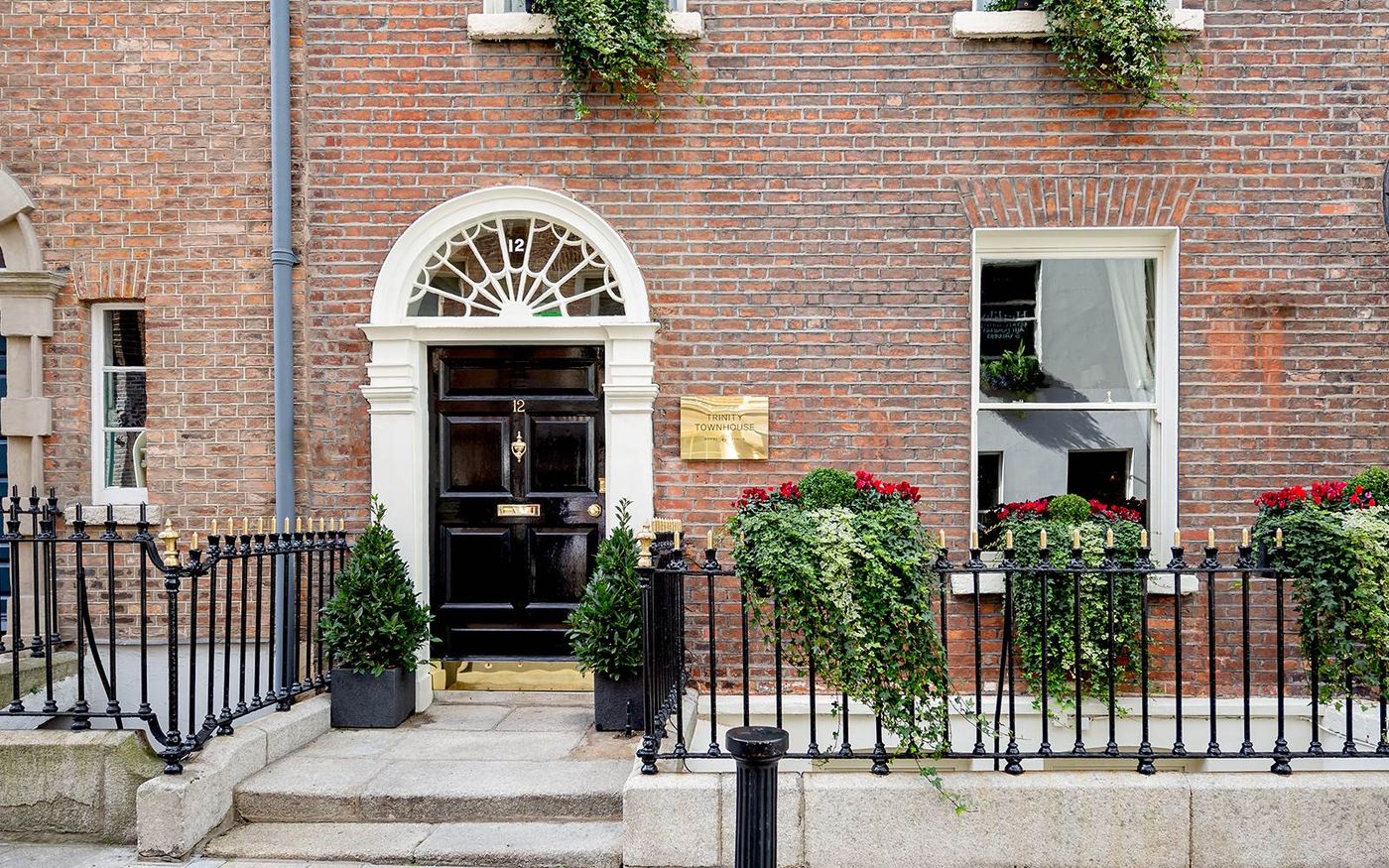
Location becomes particularly important in Dublin. A traveler who plans to spend most of the day visiting museums, historic buildings, restaurants and shopping streets may prefer a centrally located hotel. Someone traveling for business might prioritize proximity to offices, conference facilities and transport connections instead. The distinction can make a noticeable difference to the overall rhythm of a trip.
Georgian architecture is one of the city's defining visual characteristics, and some hotels incorporate historic buildings into their accommodation concepts. This creates an opportunity to experience a stronger sense of place instead of staying in a property that could be located in almost any major city.
Travelers should also consider breakfast arrangements, room size, elevators, parking and evening dining when comparing properties. A beautiful central location may be less practical for travelers arriving by car, while a hotel with convenient parking might require additional travel time to reach the most popular attractions.
Dublin Hotel Planning Checklist
- Choose central accommodation when sightseeing is the primary purpose.
- Check public transport connections before booking a less central property.
- Confirm parking availability if arriving with a rental car.
- Compare room size when traveling with children or multiple bags.
- Consider breakfast options when planning early excursions.
Hotels in Cork for Southern Ireland Adventures
Cork offers a different atmosphere from Dublin, combining a lively urban center with access to the broader landscapes of southern Ireland. Travelers exploring Hotels in Cork can use the city as a comfortable base for food-focused trips, cultural visits, business travel and road trips through County Cork.
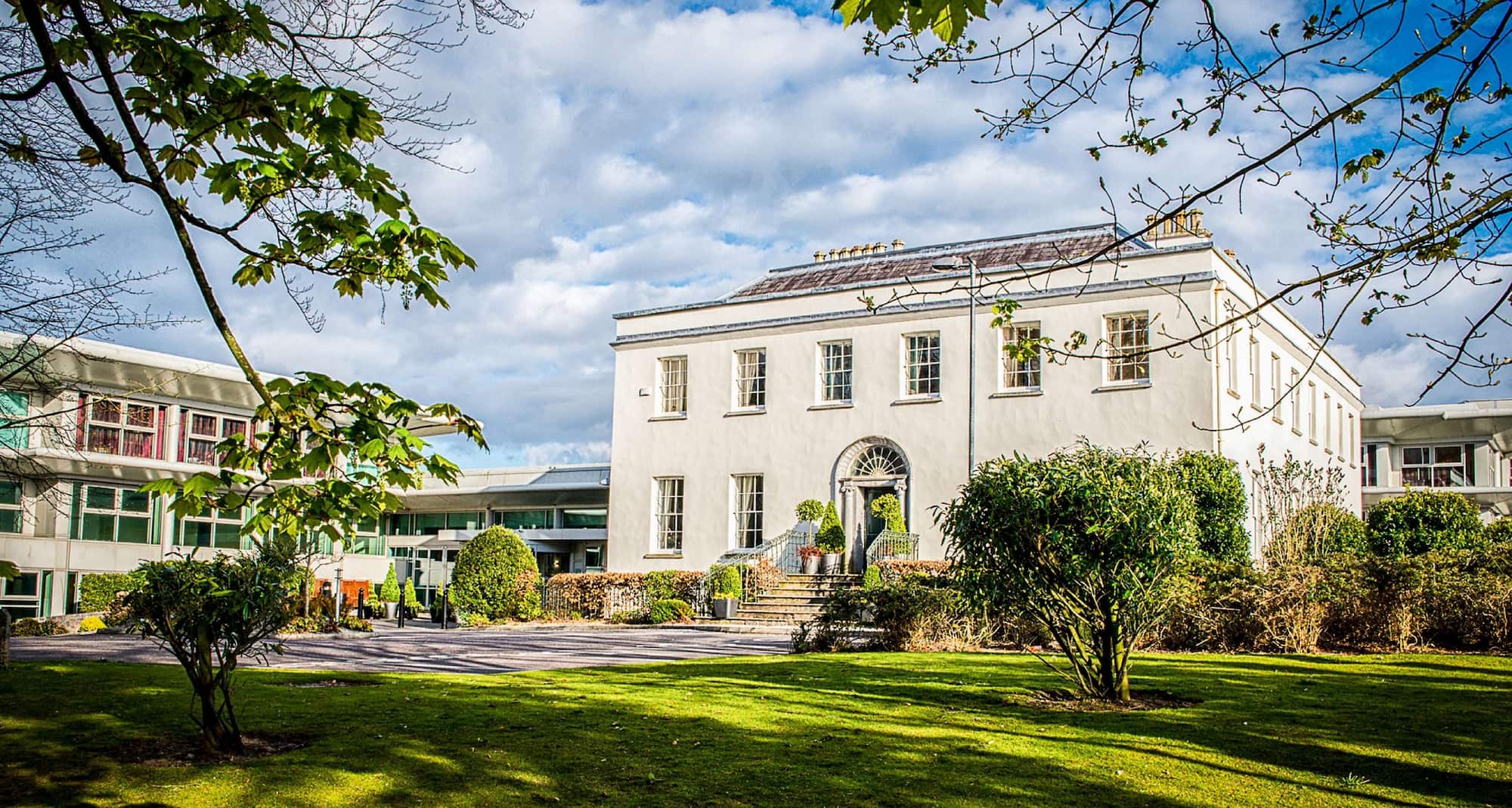
Cork is particularly useful for travelers who want an urban base without giving up the possibility of exploring smaller towns, coastal areas and countryside destinations. Accommodation near the city center can make restaurant visits and evening activities convenient, while properties outside the central area may provide larger grounds, easier parking and a quieter atmosphere.
Hotel choice in Cork can also be shaped by the style of holiday. Couples may look for refined restaurants, spa facilities or peaceful rooms, while families often value parking, spacious accommodation and easy road access. Business travelers may prioritize meeting facilities and reliable connectivity.
The best accommodation strategy is therefore not necessarily to search for the most expensive property. Instead, travelers can compare the features that directly support their itinerary. If most days will be spent driving around County Cork, convenient parking and road access may be more valuable than a hotel located in the busiest pedestrian area.
Hotels in Galway for Atlantic Character and Culture
Galway has a strong identity shaped by its western location, arts scene, traditional music, coastal atmosphere and access to dramatic landscapes. Visitors searching for Hotels in Galway can select accommodation close to the city center or use the area as a starting point for wider exploration of the west coast.
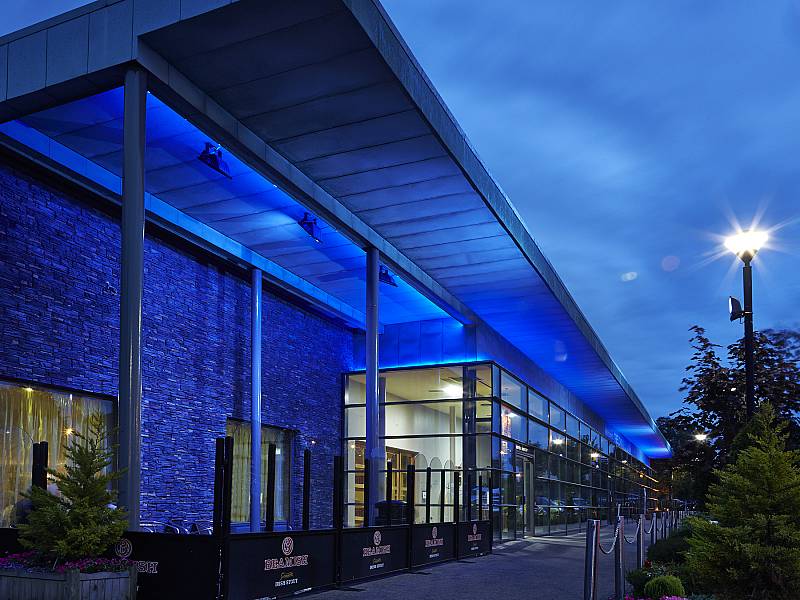
The character of Galway makes atmosphere especially important. Travelers who enjoy walking between restaurants, cultural venues and traditional pubs may prefer a centrally positioned hotel. Those planning day trips can consider properties that provide easier access to major roads and excursions.
Galway also works well for visitors who want to combine city accommodation with outdoor experiences. The region provides access to coastal scenery, rural landscapes and routes toward some of Ireland's most recognizable western destinations. A well-positioned hotel can therefore serve as both a city base and a practical starting point for day trips.
Hotels in Killarney for Nature, Scenery and Resort Escapes
Killarney is one of Ireland's most recognizable destinations for travelers who want accommodation connected to nature. The area combines lakes, mountains, woodland, historic estates and outdoor attractions, making Hotels in Killarney particularly appealing for scenic holidays.
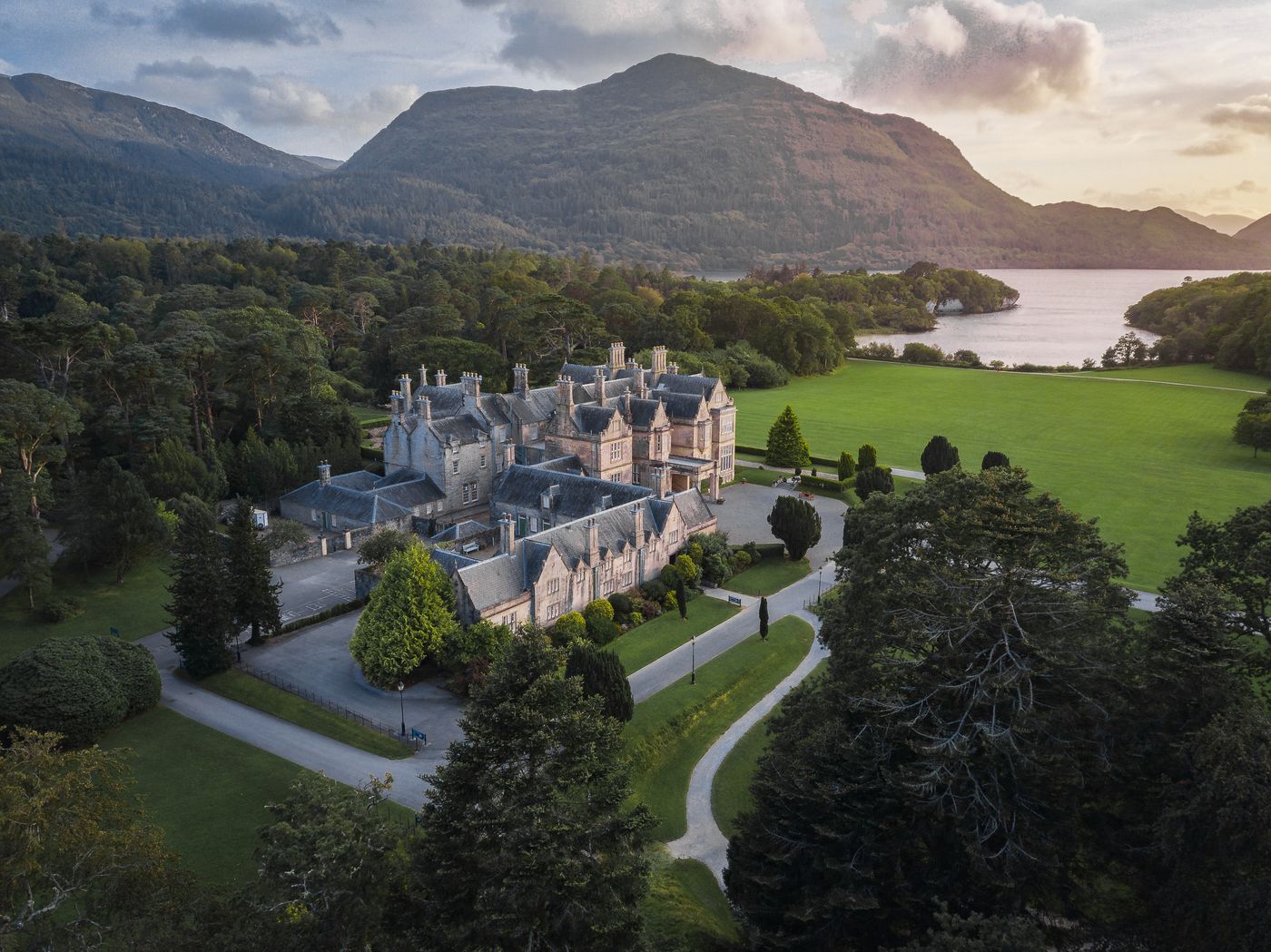
Killarney accommodation ranges from practical town hotels to larger properties with extensive leisure facilities and countryside settings. Travelers should decide whether they want to spend most of their time exploring outdoors or enjoying the hotel itself. This distinction helps determine whether facilities such as a spa, pool, gardens and on-site dining deserve priority.
Scenic hotels can also create a stronger sense of escape. Waking up near a lake or woodland can make even a short itinerary feel more relaxed, particularly for couples and travelers seeking a slower pace. For active visitors, meanwhile, proximity to walking routes and attractions can reduce daily driving.
Killarney is also a useful destination for road-trip itineraries. A hotel with parking and easy vehicle access can simplify journeys into surrounding areas. Guests who plan to leave early should check breakfast schedules, while visitors returning after long days outdoors may value an on-site restaurant or comfortable lounge.
Hotels in Limerick for History and Riverside Travel
Limerick offers a combination of urban convenience, heritage attractions and riverside scenery. Travelers comparing Hotels in Limerick can find accommodation suitable for short city stays, business travel, family holidays and wider journeys through western and southern Ireland.
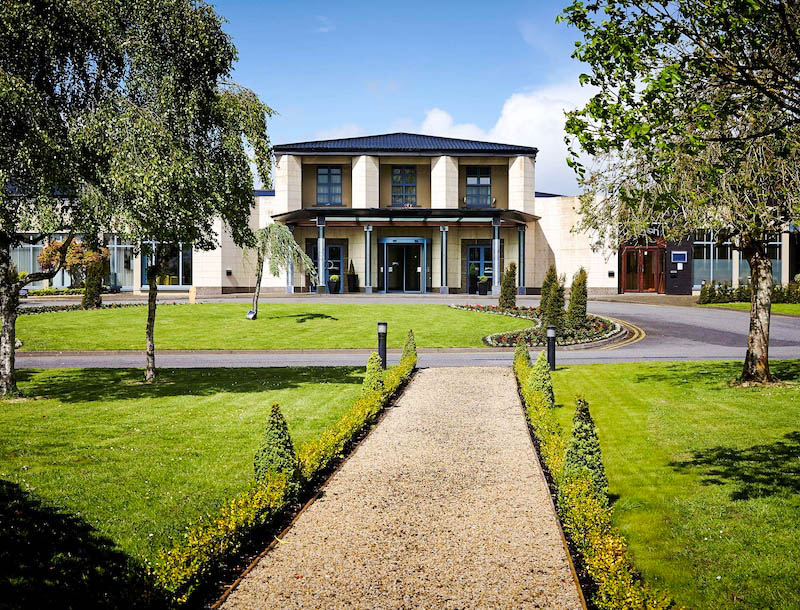
Riverside accommodation can be especially attractive in Limerick because water and architecture create a distinctive visual environment. Guests who enjoy evening walks may appreciate being near the river, while travelers arriving by car may prefer properties with straightforward access and dedicated parking.
Limerick also has value as a practical base. Its position allows travelers to combine a city stay with excursions into surrounding counties. For this type of itinerary, accommodation that offers easy departure routes can be more convenient than a property chosen solely for its proximity to one attraction.
Business travelers can also benefit from the city's mix of accommodation categories. Meeting spaces, dependable Wi-Fi, breakfast availability and comfortable work areas can make an overnight business stay more efficient. Leisure travelers, on the other hand, may prioritize restaurants, heritage surroundings and walkability.
Hotels in Kilkenny for Medieval Atmosphere
Kilkenny is an attractive choice for travelers interested in heritage, architecture, food and compact city exploration. Visitors comparing Hotels in Kilkenny can choose from traditional properties, contemporary hotels, boutique accommodation and countryside options near the city.

The compact nature of Kilkenny makes location useful for travelers who want to explore on foot. A central hotel can reduce the need for daily driving and allow guests to move easily between restaurants, historic streets and cultural attractions.
Kilkenny can also be a strong stop on a multi-city Irish itinerary. Travelers driving between major destinations can use the city for a night or two, enjoying a different atmosphere from Dublin, Cork or Galway. This makes hotel selection an important part of balancing travel time and sightseeing.
Choosing Between City Hotels and Resorts
One of the most important decisions when planning an Irish holiday is whether accommodation should primarily function as a convenient base or as a destination in itself. City hotels are generally designed around access, convenience and connectivity. Resorts place more emphasis on facilities, leisure and the overall property experience.
A city hotel can be ideal when most of the day will be spent exploring attractions outside the property. Guests may leave after breakfast and return later in the evening. In this situation, a central location, comfortable bed, reliable Wi-Fi and practical bathroom facilities may matter more than extensive leisure amenities.
A resort can be more appropriate when travelers intend to spend meaningful time at the property. Gardens, restaurants, pools, spas, lounges and recreational activities can add value when the hotel itself is part of the holiday.
The distinction is also useful when comparing prices. A resort rate may appear higher than a simple city room, but the comparison becomes more meaningful when considering the facilities included. Conversely, a centrally located hotel may save transportation costs and time, creating value in a different way.
Luxury Hotels in Ireland: What Creates a Premium Experience?
Luxury accommodation is not defined only by expensive furniture or large rooms. A premium hotel experience usually comes from the combination of location, design, service, food, privacy, maintenance and consistency. Historic Irish properties can create luxury through heritage and architecture, while contemporary hotels may focus on clean design, technology and personalized service.
Country house hotels are particularly effective at creating a sense of exclusivity. Landscaped grounds, fireplaces, libraries, formal dining rooms and carefully preserved architectural details can make the property feel distinct from a standard commercial hotel.
Modern luxury hotels may emphasize wellness, sophisticated restaurants, spacious suites, technology and carefully designed public areas. Travelers should therefore identify what luxury means to them before selecting a property.
For some guests, privacy is the main priority. For others, it may be a spa, fine dining, a dramatic landscape or easy access to cultural attractions. Defining the desired experience makes accommodation research much more efficient.
Family-Friendly Accommodation in Ireland
Families generally have different hotel requirements from solo travelers or couples. Room configuration, breakfast, parking, elevators, swimming facilities, connecting rooms and proximity to attractions can influence the overall convenience of a family holiday.
Family travelers should check the maximum occupancy of rooms rather than assuming that a larger room automatically accommodates additional guests. It is also useful to ask whether children can share existing beds, whether cots are available and whether family rooms have separate sleeping areas.
Breakfast can be another important consideration. A hotel offering an early and flexible breakfast schedule can make it easier to start day trips without delaying departure. On longer road trips, parking and easy access to major routes may also become significant advantages.
Romantic Hotels and Couples' Getaways
Ireland's landscapes naturally support romantic travel, particularly in coastal and countryside destinations. Couples can choose from elegant city hotels, historic country houses, scenic resorts and boutique properties with distinctive interiors.
For a romantic weekend, location can be more important than having a long list of facilities. A quiet room, attractive restaurant, walkable surroundings and beautiful views may create a stronger experience than a large resort with facilities that the couple does not intend to use.
Killarney is particularly suited to nature-focused couples, while Galway can appeal to couples who prefer culture, restaurants and an energetic evening atmosphere. Dublin offers sophisticated dining, shopping and historic architecture, while Kilkenny provides a more compact heritage-oriented environment.
Business Travel and Extended Stays
Business travelers should approach hotel selection from a practical perspective. Reliable Wi-Fi, a comfortable workspace, quiet rooms, breakfast availability and transportation connections can be more valuable than decorative features.
For longer stays, laundry services, larger rooms, fitness facilities and on-site dining can reduce the inconvenience of living out of a suitcase. A hotel with a professional workspace can also help travelers maintain productivity without spending every evening in a public café.
Location should be evaluated according to the actual business schedule. A hotel that appears central on a map may not be convenient if meetings take place outside the city center. Travelers should consider commuting time, parking and public transport before confirming the reservation.
How Hotel Location Changes the Travel Experience
Location is one of the strongest factors affecting hotel value. A room is not an isolated product; it is the starting point for every journey made during the stay. A central location may reduce taxi costs and walking time, while a countryside property may provide a stronger sense of privacy and access to natural scenery.
Travelers should map the attractions they most want to visit and then identify accommodation areas that minimize unnecessary movement. This approach is especially useful for short trips where every hour matters.
For road trips, the calculation changes. Easy access to highways, parking, vehicle unloading and departure routes may matter more than being within walking distance of a city center. This is one reason travelers should select accommodation based on itinerary rather than simply choosing the most popular neighborhood.
Hotel Amenities Worth Comparing
Hotel amenities can vary dramatically, so travelers should distinguish between features they will actually use and features that simply look impressive on a booking page. Wi-Fi, parking, breakfast, air conditioning, heating, elevators and luggage storage can have a direct practical impact.
Leisure amenities such as pools, spas, saunas and gyms are more valuable when guests expect to spend time at the property. A traveler planning ten-hour sightseeing days may barely use them, whereas someone booking a resort weekend may consider them essential.
Dining facilities are another useful consideration. An on-site restaurant can be convenient after a long road trip, especially when the property is located outside a major town. In a central city hotel, however, guests may prefer having many independent restaurants nearby.
Historic Hotels Versus Modern Hotels
Historic hotels offer a sense of continuity and place. Original architectural elements, traditional façades, old staircases, landscaped gardens and period interiors can make the stay memorable. Ireland's architectural heritage provides numerous opportunities for this type of accommodation.
Modern hotels generally offer a different advantage: predictable layouts, contemporary bathrooms, technology, efficient public spaces and often more standardized room design. Travelers who prioritize accessibility and modern convenience may prefer this format.
Neither style automatically provides a better experience for every traveler. The right decision depends on whether the priority is heritage atmosphere, contemporary functionality or a combination of both.
Planning a Multi-City Ireland Hotel Route
A multi-city journey can make Ireland especially rewarding because each destination offers a different atmosphere. Dublin can provide a strong starting point, followed by Cork for southern exploration, Galway for western culture, Killarney for landscapes and outdoor experiences, Limerick for riverside heritage and Kilkenny for medieval character.
The key is to avoid changing hotels too frequently. Moving every night may create unnecessary packing and check-in time. Instead, travelers can select strategic bases and make day trips from them.
A carefully designed route can also reduce backtracking. Before booking accommodation, travelers should map the order of destinations and estimate driving times. Hotel cancellation policies should also be checked if the itinerary is still flexible.
What to Look for in Hotel Reviews
Reviews are most useful when they are read for patterns rather than isolated complaints. One negative comment does not necessarily describe the typical experience, but repeated observations about noise, cleanliness, parking, room size or service can reveal useful information.
Travelers should also distinguish between reviews written for different purposes. A guest looking for a romantic weekend may evaluate a property differently from a family with young children or a business traveler staying for one night.
Review dates can also matter. Hotels change management, renovate rooms and update facilities, so very old reviews may not represent current conditions. Travelers should give more attention to recent observations while still considering long-term patterns.
Seasonal Considerations for Irish Hotels
Ireland's accommodation demand can change according to season, holidays, events and destination popularity. Travelers who have flexible dates can compare different periods rather than assuming that one season will always provide the best value.
Summer generally attracts travelers seeking longer daylight hours and outdoor experiences. Shoulder seasons can appeal to visitors who prefer a quieter atmosphere, while winter stays may suit travelers interested in cozy interiors, city breaks and festive experiences.
Weather should also influence packing and itinerary planning. A hotel with comfortable indoor spaces, restaurants and wellness facilities can become especially valuable when outdoor plans are interrupted.
Dining as Part of the Hotel Experience
Food can be an important part of accommodation selection in Ireland. Hotels may offer everything from casual breakfast service to destination restaurants, afternoon tea and sophisticated evening dining.
Travelers who want to explore local restaurants should focus on location and walkability. Guests who prefer convenience may find an excellent on-site restaurant more valuable, especially at countryside resorts.
Breakfast deserves particular attention because it affects the beginning of every travel day. A substantial breakfast can be useful before long drives, while a flexible service time can help travelers manage early tours and excursions.
Spa and Wellness Resorts
Wellness has become an increasingly important consideration for leisure travelers. Irish resorts can combine accommodation with pools, thermal facilities, treatment rooms, fitness areas and relaxation spaces.
Travelers booking specifically for wellness should examine the facilities carefully rather than relying on the word “spa” alone. The size and type of facilities can differ considerably between properties.
For a short wellness break, the best itinerary may involve fewer external excursions and more time at the property. This makes the quality and range of on-site facilities particularly relevant.
Scenic Accommodation and the Value of Views
A scenic hotel can transform the atmosphere of a trip. Views across lakes, mountains, gardens, rivers or coastlines provide a visual connection to the destination that standard city accommodation may not offer.
Killarney and other western and southern regions are particularly attractive for this style of travel. However, travelers should verify whether a “view” is guaranteed for the selected room category. Hotel websites often show the most attractive room images, while not every room has the same outlook.
When scenery is a major reason for booking, it is worth checking room descriptions carefully and, when necessary, contacting the property directly about orientation, floor level and available views.
Accessible and Practical Hotel Planning
Accessibility should be considered before booking rather than after arrival. Travelers with mobility requirements should confirm elevator access, room configuration, bathroom features, entrance arrangements and distances between public areas.
Families with strollers may also benefit from properties with elevators and straightforward corridors. Travelers with heavy luggage can prioritize hotels with easy vehicle drop-off and luggage assistance.
Practical hotel planning is not about adding unnecessary requirements. It is about identifying the features that will make the stay smoother and confirming them before payment.
Budget Strategy for Hotels in Ireland
Hotel budgets work best when travelers establish a total accommodation allowance instead of focusing only on the nightly room rate. Parking, breakfast, transportation and dining can change the final cost considerably.
A slightly more expensive hotel may offer free parking or breakfast, while a cheaper central property may require additional transportation expenses. Comparing the total expected cost gives a clearer picture of value.
Flexible travelers can also compare multiple destinations. If a major city is expensive during a particular period, staying slightly outside the busiest area may provide a different balance between cost and convenience.
Booking Strategy for Better Flexibility
Travelers who are still developing their itinerary may benefit from understanding cancellation conditions before committing. Flexible booking terms can provide valuable protection when weather, transportation or personal schedules change.
It is also useful to compare the exact room category rather than comparing hotel names alone. Two room types at the same property can differ significantly in size, view, occupancy and included benefits.
Guests should retain confirmation details, check-in instructions and any parking information before traveling. Small preparation steps can make arrival considerably easier, particularly after a long international journey.
Why Destination-Based Hotel Research Works Better
Searching by destination allows travelers to compare properties according to the actual purpose of the trip. Instead of treating Ireland as one accommodation market, travelers can evaluate Dublin, Cork, Galway, Killarney, Limerick and Kilkenny according to their individual characteristics.
This destination-based approach also helps travelers understand how hotel location interacts with attractions, transportation and daily schedules. A hotel that is perfect for one city may not be ideal for another because the geography and travel patterns are different.
Building a shortlist by destination makes the final booking decision more structured. Travelers can first identify the areas they want to visit, then select suitable hotel styles, then compare amenities, room categories, location and total cost.
Frequently Asked Questions About Hotels in Ireland
What are the main types of hotels available in Ireland?
Travelers can find city hotels, boutique properties, historic hotels, country house accommodation, family-friendly hotels, coastal properties and full-service resorts. The best category depends on the purpose of the trip, preferred location and desired facilities.
Is Dublin a good base for a first Ireland trip?
Dublin can be a practical starting point because it combines major cultural attractions, shopping, restaurants, transport connections and a wide range of accommodation. Travelers planning a wider road trip may then continue to other regions.
Which Irish destination is suitable for nature-focused travel?
Killarney is particularly well suited to travelers who want lakes, mountains, woodland and outdoor experiences. Galway and other western destinations can also provide strong access to dramatic coastal landscapes.
Are Irish country house hotels suitable for couples?
Country house hotels can be attractive for couples who value quiet surroundings, historic architecture, gardens, refined dining and a slower pace. The actual facilities and atmosphere should be checked for each property.
What should families check before booking?
Families should confirm room occupancy, bed configuration, breakfast arrangements, parking, elevator access, family facilities and the distance to attractions. These details can have a major effect on practical convenience.
Should travelers stay in city centers?
A central location is useful when walking access to restaurants, attractions and entertainment is important. Travelers with cars or those planning extensive day trips may prefer properties outside the busiest central areas.
Are resorts worth considering for short stays?
Resorts can be particularly useful for short breaks when guests want to spend substantial time at the property. Spa facilities, restaurants, pools, gardens and recreational options can make the hotel itself part of the holiday.
How should hotel reviews be evaluated?
Look for recurring patterns in recent reviews and compare comments from travelers with similar needs. Pay particular attention to room size, cleanliness, noise, service, parking and location.
What is important when booking a hotel for a road trip?
Parking, road access, check-in flexibility, breakfast timing and easy departure routes are especially useful. A hotel does not always need to be in the center if the main purpose is exploring several surrounding destinations.
Can one Ireland trip include several hotel styles?
Yes. A traveler can combine a central Dublin hotel with a boutique property in Galway and a scenic resort around Killarney. Combining styles can make the journey feel more varied and destination-focused.
Final Hotel Selection Checklist
Before confirming an Irish hotel, travelers can use a simple checklist to ensure that the property supports the actual itinerary. Start with destination and location, then consider room requirements, transport, facilities and total cost.
- Confirm the destination and neighborhood.
- Check the distance to the attractions that matter most.
- Review the exact room category rather than only the hotel name.
- Confirm occupancy rules for every traveler.
- Check parking requirements when traveling by car.
- Review breakfast times and dining options.
- Compare cancellation and payment conditions.
- Look for recent reviews relevant to your type of trip.
- Verify spa, pool, gym or leisure facilities if they are important.
- Consider accessibility and elevator requirements in advance.
- Calculate additional costs such as parking and transportation.
- Keep confirmation details accessible before arrival.
Ireland's hotel landscape is diverse enough to support almost every travel style. The most effective approach is to begin with the destination, define the purpose of the stay and then compare accommodation according to practical needs. Dublin can provide a convenient urban starting point, Cork can support southern exploration, Galway can connect travelers with western culture and Atlantic scenery, Killarney can deliver a nature-focused escape, Limerick can combine city convenience with riverside character, and Kilkenny can add a strong heritage dimension.
For travelers building a broader itinerary, researching Hotels & Resorts in Ireland by destination can make the process faster and more organized. Comparing Hotels in Dublin, Hotels in Cork, Hotels in Galway, Hotels in Killarney, Hotels in Limerick and Hotels in Kilkenny allows travelers to build a stay that matches both their route and travel style.
The strongest hotel choice is ultimately the one that fits the journey rather than simply the one with the longest list of amenities. By considering location, atmosphere, room requirements, dining, transportation, scenery, facilities and total value together, travelers can create an Ireland accommodation plan that feels purposeful from the moment they arrive until the final night of the trip.
Comments
Post a Comment